
Luck versus skill which truly dominates the gambling landscape
Understanding the Role of Luck in Gambling
Luck is often viewed as a primary factor in gambling, where random outcomes can sway the results of any game. Games such as slot machines and roulette rely heavily on chance, making them appealing to casual players who seek thrill without requiring deep strategic knowledge. In these scenarios, luck is the dominant force, and players must accept that outcomes are beyond their control. Many enthusiasts find themselves exploring options like bitcoin casinos, drawn to the excitement and unpredictability that games offer.
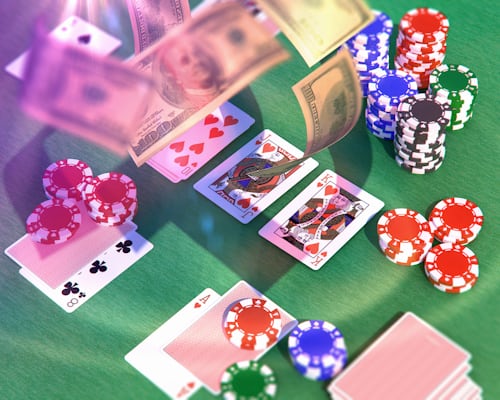
The unpredictability of luck can lead to significant wins or devastating losses in an instant. This inherent volatility can make gambling an exhilarating experience, drawing people in with the allure of potential riches. However, relying solely on luck can be a double-edged sword, as it often leads to the misconception that gambling is a viable long-term strategy for financial success.
The Importance of Skill in Gambling
While luck plays a significant role, skill cannot be underestimated, especially in games like poker and blackjack. Players who understand the strategies and mathematics behind these games can maximize their chances of winning. Knowledge of probabilities, psychological tactics, and game theory can provide a substantial edge over less experienced players.
Skilled gamblers often study their opponents, analyze past hands, and refine their strategies to improve their overall game. This expertise can lead to more consistent results compared to those who rely merely on chance, illustrating that skill can often balance out luck over the long term.
Finding the Balance Between Luck and Skill
The interplay between luck and skill creates a unique dynamic in the gambling landscape. Some games offer pure chance, while others blend skill with luck, allowing players to influence outcomes to varying degrees. Understanding where a particular game falls on this spectrum can help players make informed choices about their gambling strategies.
Many seasoned gamblers advocate for a balanced approach, recognizing that while luck may favor them on a given night, skill is what sustains their success in the long run. Developing expertise in one’s chosen games can lead to a more rewarding experience and mitigate the frustration that often accompanies random chance.
The Psychological Aspects of Luck and Skill
The psychology behind gambling is deeply intertwined with the concepts of luck and skill. Many players fall into the trap of confirmation bias, where they attribute wins to skill and losses to bad luck. This mindset can lead to poor decision-making, often blurring the lines between skillful play and mere chance.
Understanding these psychological influences can help players navigate the gambling landscape more effectively. By recognizing when luck is a significant factor, gamblers can adjust their strategies and manage expectations, ultimately leading to a more enjoyable experience that embraces both luck and skill.
Conclusion and Insights on Gambling Culture
In summary, the debate between luck and skill in gambling is multifaceted and subjective. Different games offer varying degrees of both elements, and players must navigate these waters to maximize their enjoyment and potential success. Understanding the role of each can enhance the overall gambling experience, whether one is a casual player or a serious contender.
As the gambling landscape continues to evolve, so too will the perspectives on luck and skill. Embracing both aspects will provide a well-rounded approach, ensuring that players remain engaged and informed in their gambling endeavors.